Author: Gianni C.

“JAZZ BITES: Mastering Jazz Phrasing on Guitar Made Easy!”

Do you dream of adding that smooth, sophisticated jazz flair to your guitar playing, regardless of the genre you love? If so, you’re in for a treat! In today’s lesson, we’re diving into the world of jazz phrasing, and I’m here to guide you through an effortless way to infuse your music with that unmistakable jazz vibe. Buckle up, because we’re about to explore the wonders of “JAZZ BITES,” the easiest way to sound “jazz” on your guitar!

Understanding Jazz Phrasing: Bite-sized Brilliance

Traditional approaches to jazz often involve tackling lengthy 251 phrases or complex bebop scales. While these methods are undoubtedly valuable, we’re taking a different route today. Our focus is on bite-sized jazz phrases—small, manageable patterns that are incredibly versatile. These phrases, demonstrated in the key of C major, can be seamlessly integrated into any chord within the harmonized scale.
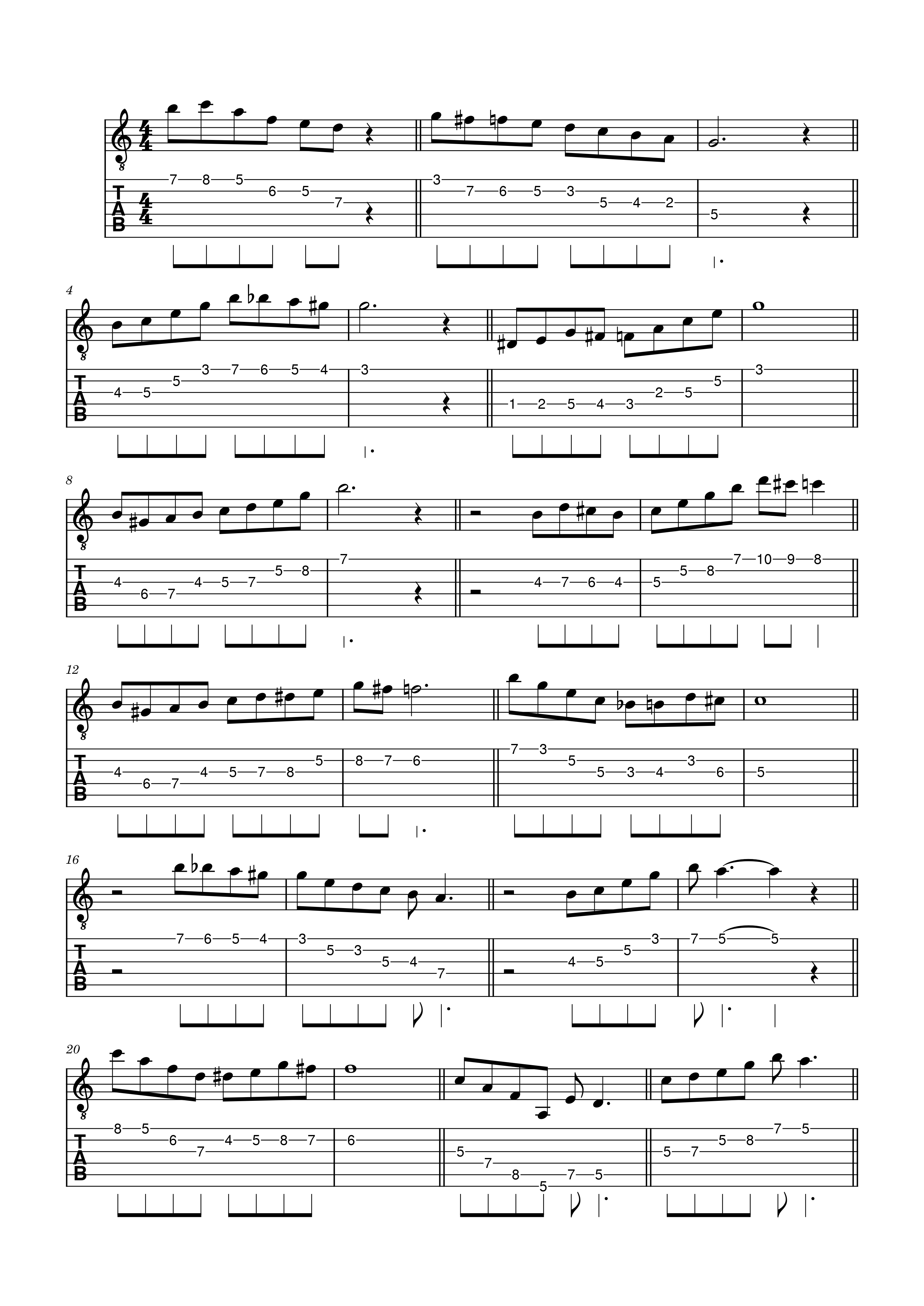
Sample Jazz Phrases in Action

Let’s break it down. I’ve curated a selection of these compact jazz phrases, showcasing their fluidity and adaptability. In a delightful D minor groove, I effortlessly incorporate these phrases, proving their compatibility with various chord progressions. Through rhythmic nuances and triplets, the phrases come alive, adding depth and sophistication to the music.

Your Jazz Journey Starts Here

Feeling inspired? Ready to embark on your jazz guitar journey? Here’s your game plan:

Pick Your Phrases: Start by choosing one or two favorite phrases from our collection. These snippets are designed to be approachable, making it easier for you to master them.

Practice and Play: Integrate your selected phrases into your playing. Experiment with different rhythms and tempos, allowing the phrases to blend seamlessly with your style.

Transpose and Explore: Challenge yourself by transposing these phrases into different keys. This step not only enhances your understanding but also expands your musical horizons.

Stay Curious: Jazz is a vast, ever-evolving genre. Stay curious and explore other jazz lessons, chord progressions, and musical styles. The more you delve into the world of jazz, the richer your playing will become.

Mastering Jazz Guitar: Unraveling the Mysteries of Chromatic Embellishments

Are you a jazz guitar enthusiast looking to elevate your playing skills? Today, we delve into the intricate world of jazz guitar with a focus on a captivating lick in the key of C. In this lesson, we explore the art of chromatic embellishments and enclosures, techniques that can transform your musical expression. Let’s embark on this musical journey together and unlock the secrets of jazz guitar improvisation.

Understanding the Lick:
The spotlight of our lesson shines on a mesmerizing jazz guitar lick. This phrase, rooted in chromatic embellishments, adds depth and complexity to your playing. By incorporating diatonic and chromatic notes above and below the target note, this lick creates a seamless, spiraling effect, capturing the essence of jazz improvisation.

The Importance of Transposition:
One of the key takeaways from this lesson is the significance of transposing the lick to different keys. By mastering transposition, you enhance your versatility as a guitarist. Moving through various keys allows you to explore different tonalities and enrich your musical vocabulary.

Application Across Chords:
The beauty of this jazz lick lies in its adaptability across different chords within the C major family. From the lush C major 7 to the soulful D minor 9 and the intriguing G dominant, this lick finds a home in a multitude of chord progressions. Its suspended sound resonates beautifully, creating a captivating auditory experience.

Putting It into Context:
To truly grasp the essence of this lick, it’s essential to apply it in context. Imagine weaving this enchanting phrase into a 2-5-1 progression in C. The result? A musical masterpiece that captures the essence of jazz, blending seamlessly with the accompanying chords and creating an electrifying atmosphere.

Sharing the Knowledge:
As you embark on your jazz guitar odyssey, don’t forget to share the wealth of knowledge. Spread the word about this lesson on social media platforms, and let fellow guitar enthusiasts experience the magic of chromatic embellishments. Your support can help others enhance their musical journey and explore the boundless possibilities of jazz guitar.

In conclusion, mastering jazz guitar is a lifelong pursuit filled with endless discoveries. Today, we’ve unveiled a captivating lick rooted in chromatic embellishments, offering you a glimpse into the world of jazz improvisation. Embrace the challenge of transposition, explore the versatility across chords, and infuse your playing with the spirit of jazz. Now, it’s your turn to pick up your guitar, dive into this enriching lesson, and let your musical creativity soar. Happy playing!

Title: Mastering Guitar Intervals

Intervals are the heartbeat of music, defining the spaces between notes and creating harmonies that resonate with our souls. For guitar enthusiasts, understanding intervals is like deciphering the secret language of music. In this comprehensive guide, we’ll explore the essence of intervals, decoding their mystery with clarity and simplicity. Buckle up, guitarists – we’re about to embark on a journey to mastering intervals on the guitar.

Unlocking the Language of Intervals: A Brief Overview

Intervals, in musical terms, represent the gaps between two notes or sounds. On the guitar, they form the foundation of chords and melodies, allowing us to create beautiful music. There are three primary methods to identify intervals:

  1. Calculating Semitones: By counting semitones between notes, you can determine intervals like major thirds (4 semitones).
  2. Major Scale Inclusion: Notes within a major scale form major and perfect intervals, offering insight into their tonality.
  3. Listening by Ear: Intervals have unique sounds; training your ear helps recognize and reproduce them accurately.

Practical Application: Navigating Intervals on the Guitar

On a Single String:

Starting with a single string, visualize intervals practically. Understand the semitone counts from minor seconds to octaves. For instance, from C to D flat, there’s one semitone, constituting a minor second.

In Position:

Intervals change when moving across strings due to tuning differences. Master intervals in various positions, adapting your fingering as you cross strings. This skill enhances your ability to play complex chords and melodies seamlessly.

The Role of Intervals in Chord Structures

Understanding intervals is paramount for crafting chords. For instance, a major 7th chord comprises a perfect fifth, major seventh, and major third interval. With this knowledge, you can modify chords, creating unique variations such as the sharp five chord.

Empowering the Guitar Community: Share the Knowledge

If you’ve found value in this guide, share it with fellow guitar enthusiasts. Understanding intervals opens doors to endless musical possibilities. Instead of relying on sponsors, consider supporting resources like this through donations. Your contributions can help sustain valuable educational content for aspiring musicians.

In conclusion, intervals are the building blocks of musical expression on the guitar. By mastering them, you not only enhance your playing skills but also gain a deeper appreciation for the intricacies of music. Embrace the world of intervals, and let your guitar journey be harmoniously enriched. Happy playing! 🎸🎶

Guitar Technique 101: Never Ending Chromatic Scale

The never-ending chromatic scale is a useful technical exercise for guitarists looking to improve their dexterity and fluency with chromatic phrases. This exercise combines elements of technique and improvisation, engaging both the left and right hands.

The right hand uses strict alternate picking, providing rhythmic consistency. The left hand plays through a chromatic scale, moving fluidly between string groups and positions. This motion encourages left hand flexibility through stretches and slides.

There are several ways to play a chromatic scale on guitar: descending along one string, moving in position across adjacent strings, or diagonally ascending and descending across multiple strings. Diagonal descending motion tends to be the most challenging. Maintaining consistent volume and tone across all notes is imperative.

Practicing the never-ending chromatic scale has multiple benefits. The constant motion maintains picking stamina. Shifting positions and strings develops left hand strength and accuracy. The improvisational nature requires mental focus and quick decision making. This exercise also directly relates to musical contexts, as chromaticism features heavily in jazz, particularly bebop styles. Mastering smooth chromatic passages will expand melodic vocabulary.

To perform the exercise, the guitarist begins by picking through a steady chromatic scale. Without pausing, shift to a new direction, string group, or position. Continue moving through fresh chromatic patterns seamlessly. Resist falling into repetitive patterns. Challenge both hands by exploring the entire fretboard.

With consistent practice, guitarists can achieve greater chromatic dexterity and more fluid improvisational abilities. The never-ending chromatic scale is an engaging way to break out of mechanical technique routines and expand fretboard knowledge.

Transform Your Guitar Melodies into Sheet Music: A Step-by-Step Guide Using Free Software

I wanted to share my recent exploration into the world of enhancing guitar videos. You know how it is – you play this beautiful melody on your guitar, and you wish there was an easy way to translate that into readable sheet music. I embarked on a quest to find a quick and efficient method to add notation and tablature to my guitar videos, aiming to elevate the quality of my musical content.

1. The Quest for Quality: Improving My Guitar Videos

Like many musicians, I faced the challenge of turning the magic of my guitar tunes into tangible sheet music. My goal was to make my music more accessible and visually appealing to my audience.

2. The Tools: Free Software at My Fingertips

I delved into the world of free software and discovered three essential tools for my mission:

  • Reaper: A versatile digital audio workstation that could handle VST plugins and serve as the foundation for my musical journey.
  • Neural Note VST: This virtual studio technology plugin became my companion for refining my guitar audio, ensuring accuracy and eliminating any unwanted nuances.
  • MuseScore: An open-source notation software that transformed my MIDI files into beautiful, readable sheet music.

3. The Process: My Musical Creations Come to Life

  • Recording and Polishing: I recorded my guitar melody using Reaper, tweaking the audio with Neural Note VST to perfect the sound and ensure precision. I recorded to a click at 120 BPM, the NEURAL vst should sync the tempo.
  • Exporting: Once satisfied, I exported the file as MIDI, preserving my guitar performance.
  • Crafting Sheet Music: I imported the MIDI file, meticulously converting it into notation and tablature. Adjustments were made to copy the piano import to guitar notation and tabulature.

Original guitar line wav and resulting midi file below: